

Guest Commentary
By Aaron J. Byzak
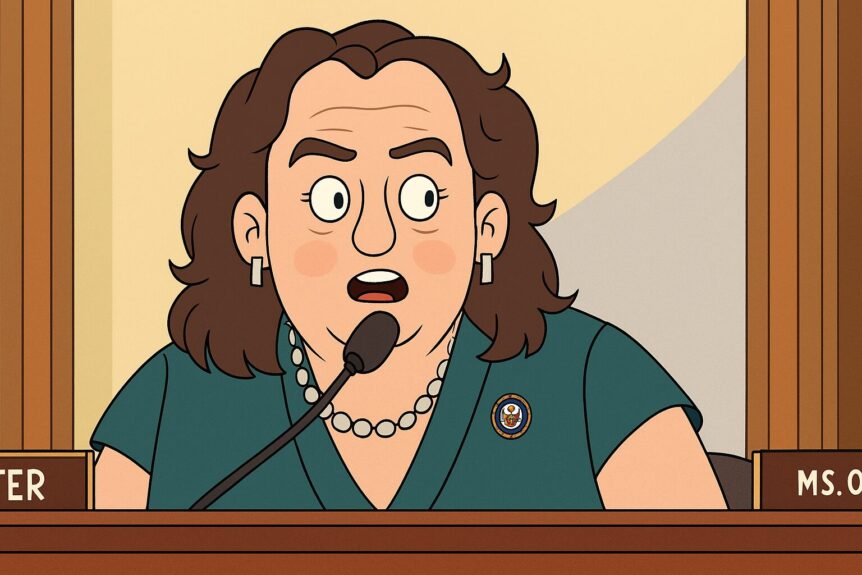
I was watching the news on my recent flight and saw the recent (ahem)… outburst from the leading candidate for Governor of California. And it got me thinking, so I decided to write this article as I traveled home from Cleveland to San Diego.
Over the course of my career, I’ve worked for and with a number of elected officials — and been around hundreds more. Many of them are decent, intelligent, grounded people who genuinely care about the communities they serve. Others… well, let’s just say the word “@$$hat” applies liberally.
Some names immediately come to mind. Some have been driven out of politics. Others… not yet.
When the Mask Slips
Here’s the thing about that gubernatorial candidate’s outburst — it was telling. Not because she pushed back on a journalist’s question (which, to be clear, I’m fine with — reporters aren’t unbiased saints). It’s how she did it. There’s a right way to challenge a question, and she chose the wrong one.
What I saw wasn’t passion. It was contempt. The kind of contempt that leaks out when someone believes they’re untouchable.
If you’re naturally an @$$hat, fine — own it. Just try to hide it better. She didn’t. Probably because she believes she’ll cruise to the nomination no matter what she says. And she’s probably right. I’ve always said that, in California, the Devil himself could rise from a fissure after an earthquake, lay waste to cities, declare for Governor, and still win by 20 points if there’s a “D” next to his name. It’s just the reality of partisan politics.
“I’m a Leader.” Sure You Are.
What really stuck with me, though, was her self-description as “a leader.” Uh, huh. Right.
We throw that word around far too easily. “Leader” and “elected official” aren’t synonyms. Some elected officials are leaders. Many are not. The distinction matters.
And as more stories about her behavior inevitably emerge — like the viral video of her yelling at a staff member for stepping into her shot — one truth will become obvious: real leaders don’t treat people like that.
We’ve Seen This Movie Before
This isn’t new. San Diegans will remember former Congressman and Mayor Bob Filner — disgraced for serial harassment after decades of people looking the other way. Everyone on the inside knew. Everyone stayed silent. Because in politics, taking down the king is bad for business.
I was working in an executive role in public affairs for a major institution at the time. We were regularly lobbying his office on all manner of issues, but that didn’t stop me from calling out his behavior internally. I even told my staff: no female interns near him, and don’t put me in the same room as him — because I knew what was happening. And if I witnessed it in person, I’d intervene. And that wouldn’t have ended well. The optics of me dropping an elderly Congressman wouldn’t exactly have boosted my career.
He was protected for decades… right up until the moment he wasn’t. And then everyone acted shocked… shocked, I tell you!
The same was true for former Congressman Duncan D. Hunter’s misdeeds. Everyone knew. People remained silent and even rallied around him when the evidence was clear. Right up until the moment when it was safe.
This phenomenon has no partisan boundaries.
The System Protects Power, Not People
In politics, much like in the entertainment industry, insiders often excuse, ignore, or deny bad behavior for one simple reason — survival. Calling out a powerful person can end your career. So everyone stays quiet… until it’s safe to speak, at which point the feeding frenzy begins.
It happens at every level of government: the elected official who berates staff, belittles colleagues, gropes women, plays fast and loose with campaign funds, or builds their brand on hypocrisy. People on the inside always know the truth. They just wait until it’s convenient to reveal it.
And that’s the real indictment — not of any one politician, but of the system itself. One that rewards silence, excuses misconduct, and protects power over people.
Leadership Isn’t a Title. It’s a Choice.
The truth is, we get the leaders we tolerate. If voters, staff, and institutions keep rewarding arrogance, entitlement, and performative “leadership,” we shouldn’t act surprised when we end up with people who think yelling at their staff or berating reporters is strength. It’s not.
Real leadership isn’t about power — it’s about restraint. It’s about respect for the people you serve and the people who serve alongside you. The best leaders don’t need to remind you that they’re leaders. You just know.
So, if you find yourself working for, with, or around someone who shows you who they really are in moments like that recent “outburst,” believe them. People rarely rise to the occasion — they fall to their natural and enduring level of character.
_____
Byzak is the chief strategist and lead consultant for Galvanized Strategies. Follow him on LinkedIn.